
Recognize leverage
Notice how changing a contact point changes the turning effect of a force.
Explore force, leverage, balance, and friction through familiar mat examples. Written for everyday grapplers, with no medical background needed.
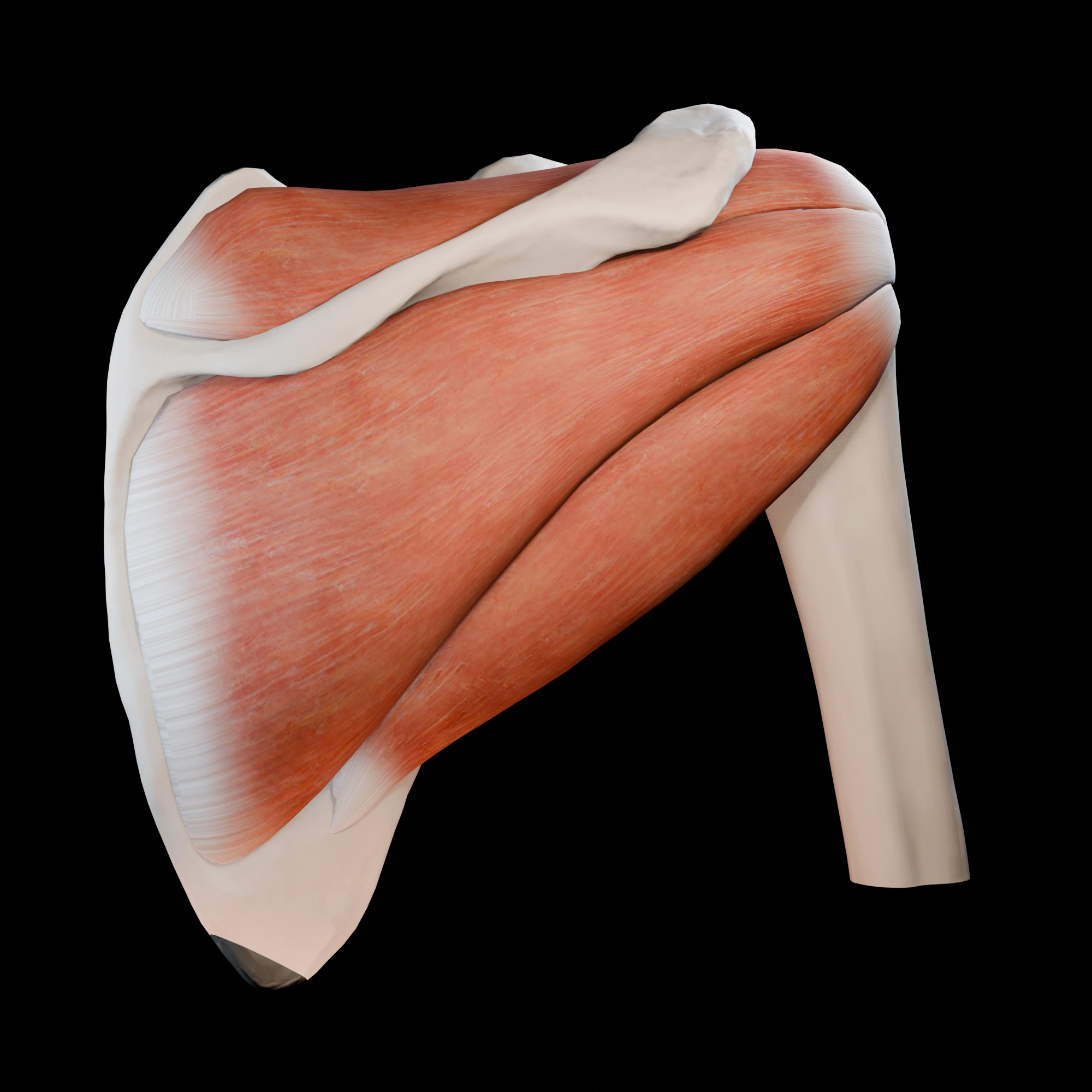
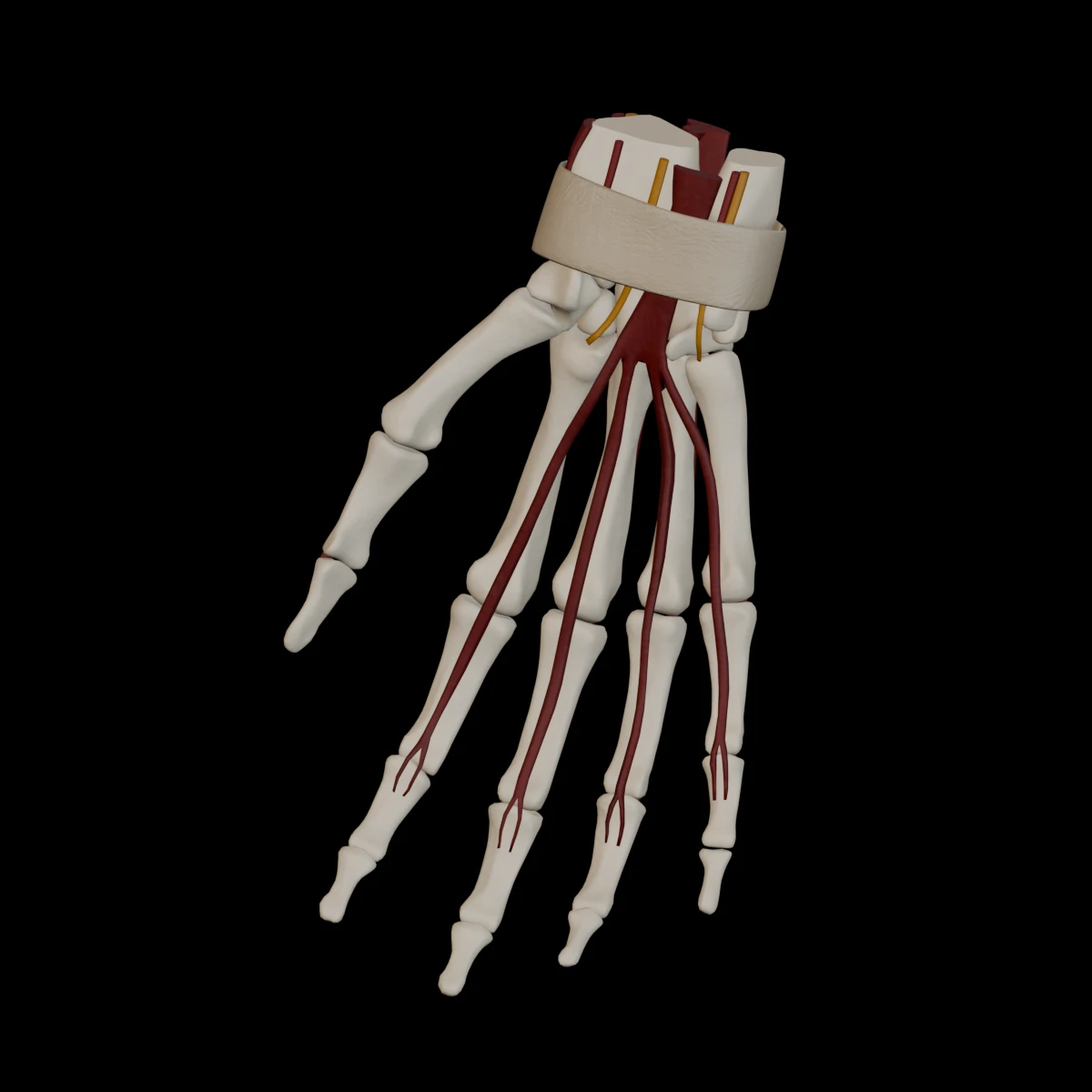
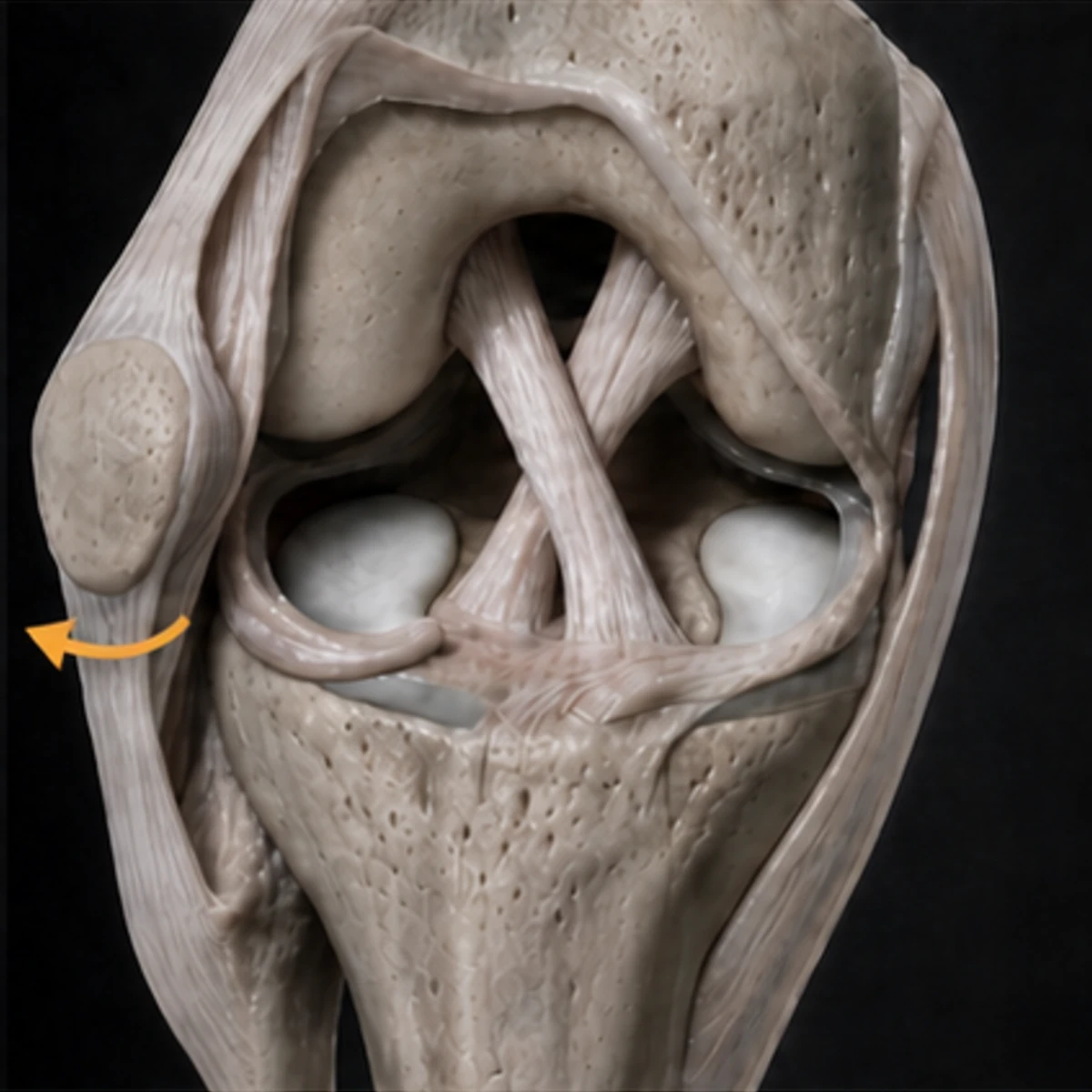
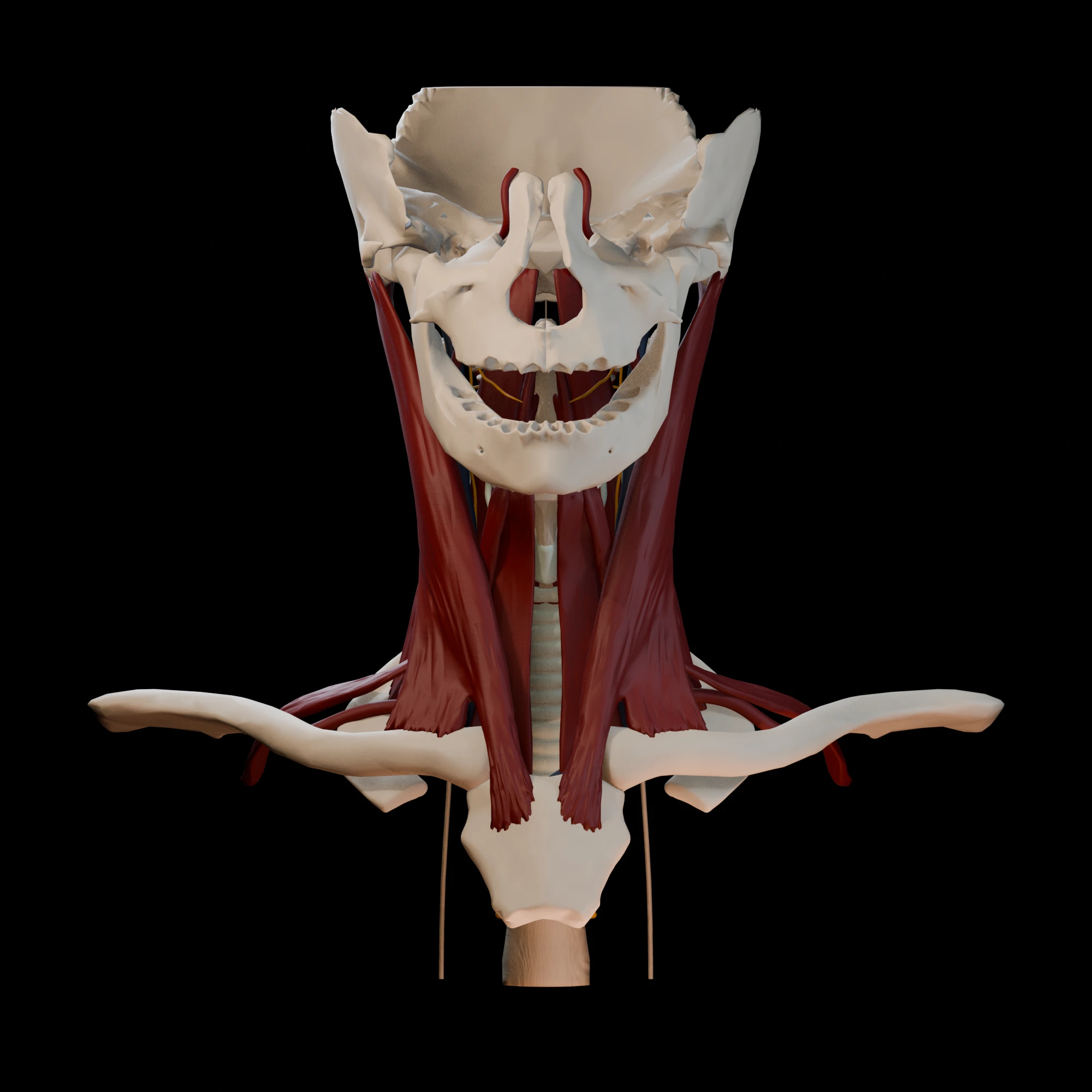
Clinical review where required. All 22 anatomy plates are free now.
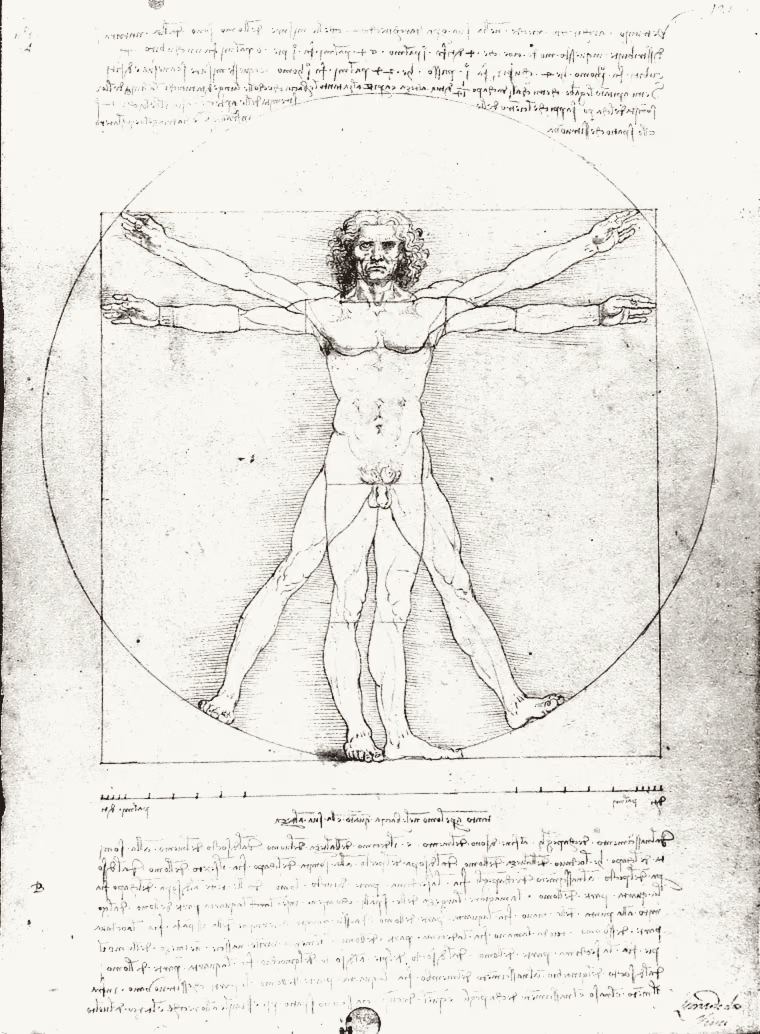
The introductory course focuses on practical biomechanics. The curriculum page shows which lessons are available. These free anatomy plates offer a separate way to explore body structures, without needing to study a full anatomy textbook.
Move from the shoulder into the joints most often exposed in grips, entanglements, and strangles.
Introductory lessons connect simple mechanics to familiar training situations.
A plain-language explanation of a movement concept.
A familiar grappling example that makes the concept concrete.
A simple observation or question to connect the explanation to your training.
Short review questions help you explain what you learned in your own words.
Follow the references to see where the explanations come from.
Use simple movement concepts to describe what you see and ask clearer questions during training.
Notice how changing a contact point changes the turning effect of a force.
Connect supporting contacts and body position to what makes a stance stable.
Recognize the role of friction in grips and pins, and describe what changes when contact changes.
Lessons open after their required reviews. All anatomy plates are free to browse now. The first planned premium course is Applied Anatomy: Shoulder and Elbow, following the free Track A foundations. The prices below are informational.
The first evaluation focuses on free practical biomechanics lessons. Paid courses follow later; no date is announced.
$9.99/mo
Billed monthly when enrollment opens
Planned monthly option.
$79/yr
About $6.58/mo at the planned annual price
Planned yearly option.
$149once
One payment when enrollment opens
Planned one-time option.
Use a free account for the evaluation. Paid enrollment follows course review and billing verification.
Paid enrollment is not open yet. The first evaluation focuses on free practical biomechanics lessons. Applied Anatomy: Shoulder and Elbow is planned for a later premium course. Paid enrollment follows course review and billing verification.
The introductory course is written for everyday grapplers with no medical background. Start with practical movement concepts and familiar mat examples. The curriculum page shows the lessons currently available.
Yes. Every released module cites its sources in American Medical Association style. Modules still being checked for accuracy stay private until that is done.
No. It is anatomy education for athletes. Train within safe limits and see a professional for injuries or medical questions.